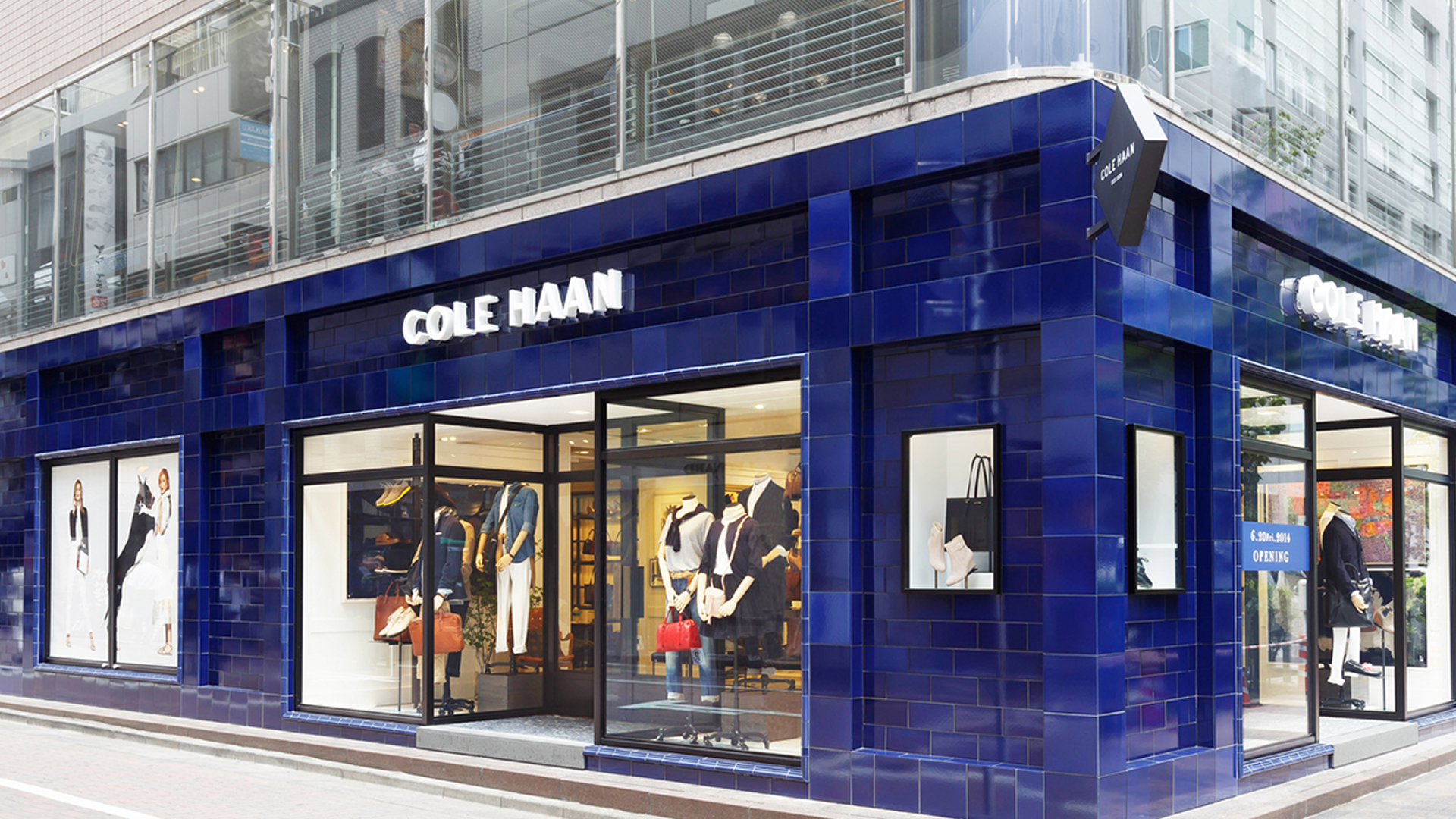
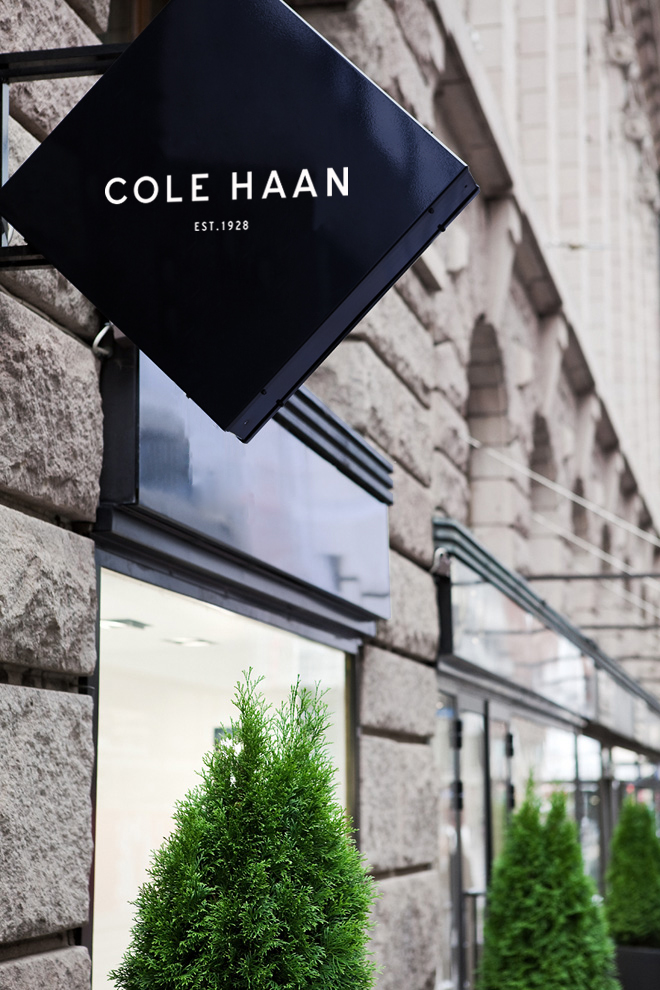
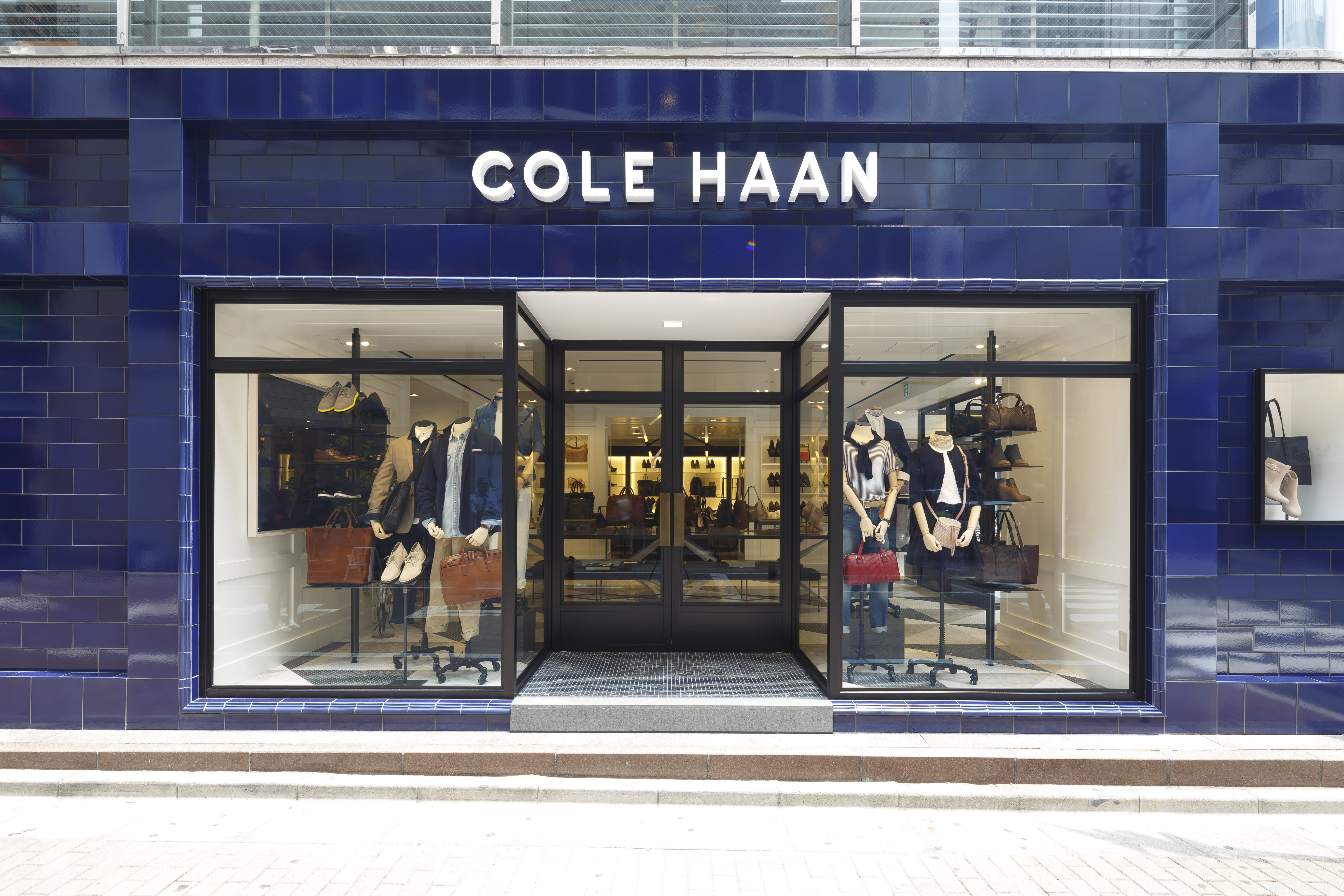
Instead of another reinvention, we stripped everything back. The brand didn’t need a bold new statement — it needed simplicity, elegance, and space for customers to reconnect with a brand they’d already loved, on their own terms, as if it had always been there.
We built a team around a shared way of working: Rob Trostle (project lead, creative director), Kapono Chung and Peter Karas (design directors), and designers Natalie Herrera, James Lawrence Hughes, Alexa Zin, and Clark Rodgers. Most of the team had worked together before, at Mother Design and Anomaly, which meant the standard for craft, speed, and collaboration was shared from day one — and became the blueprint the in-house creative director could hire against long after we’d gone.
We worked out of an empty room inside Cole Haan’s offices and posted the work daily for the whole company to see and weigh in on. By the time the brand launched, it had 100% internal support — because the whole company had already watched it get built.
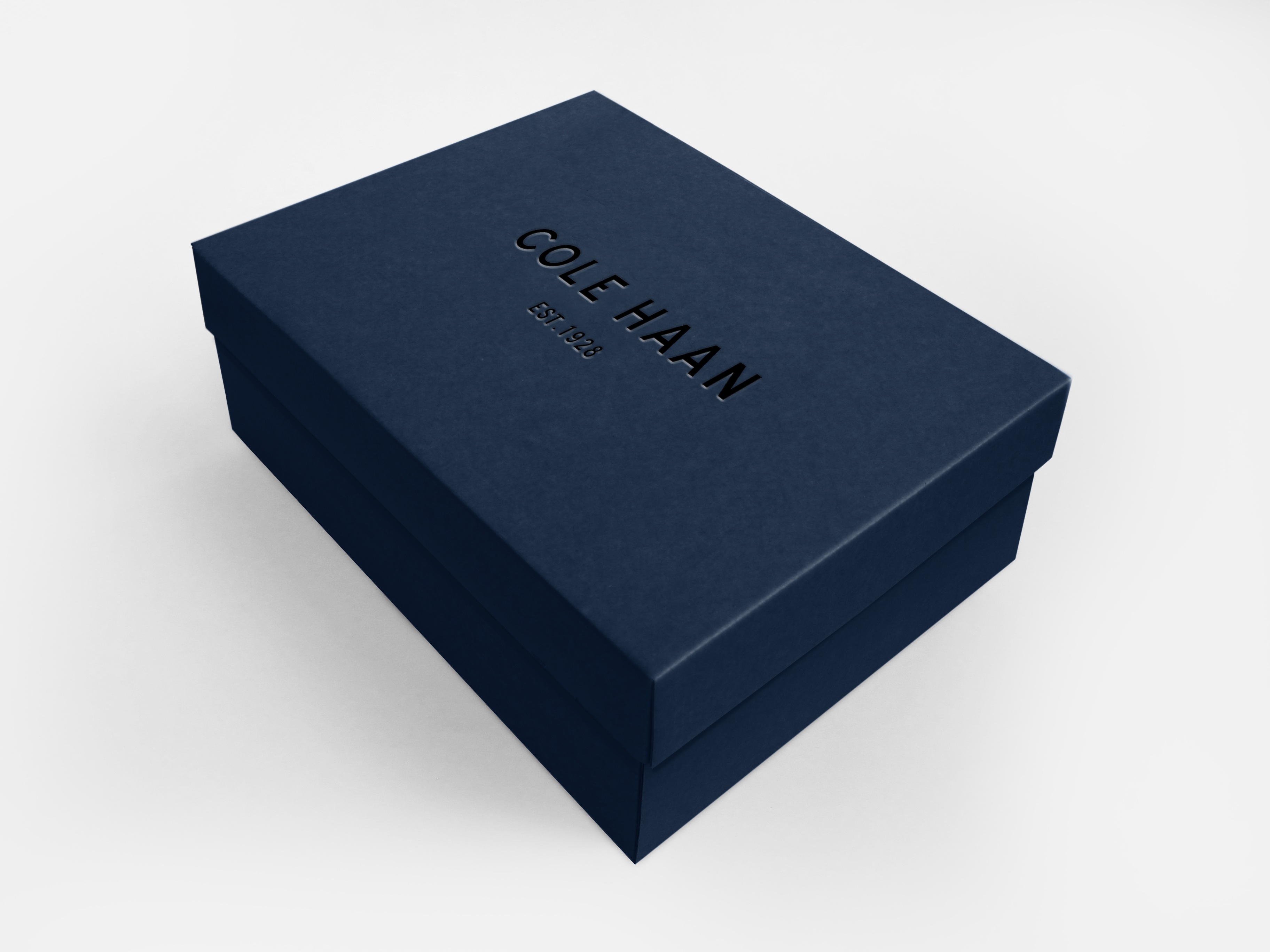
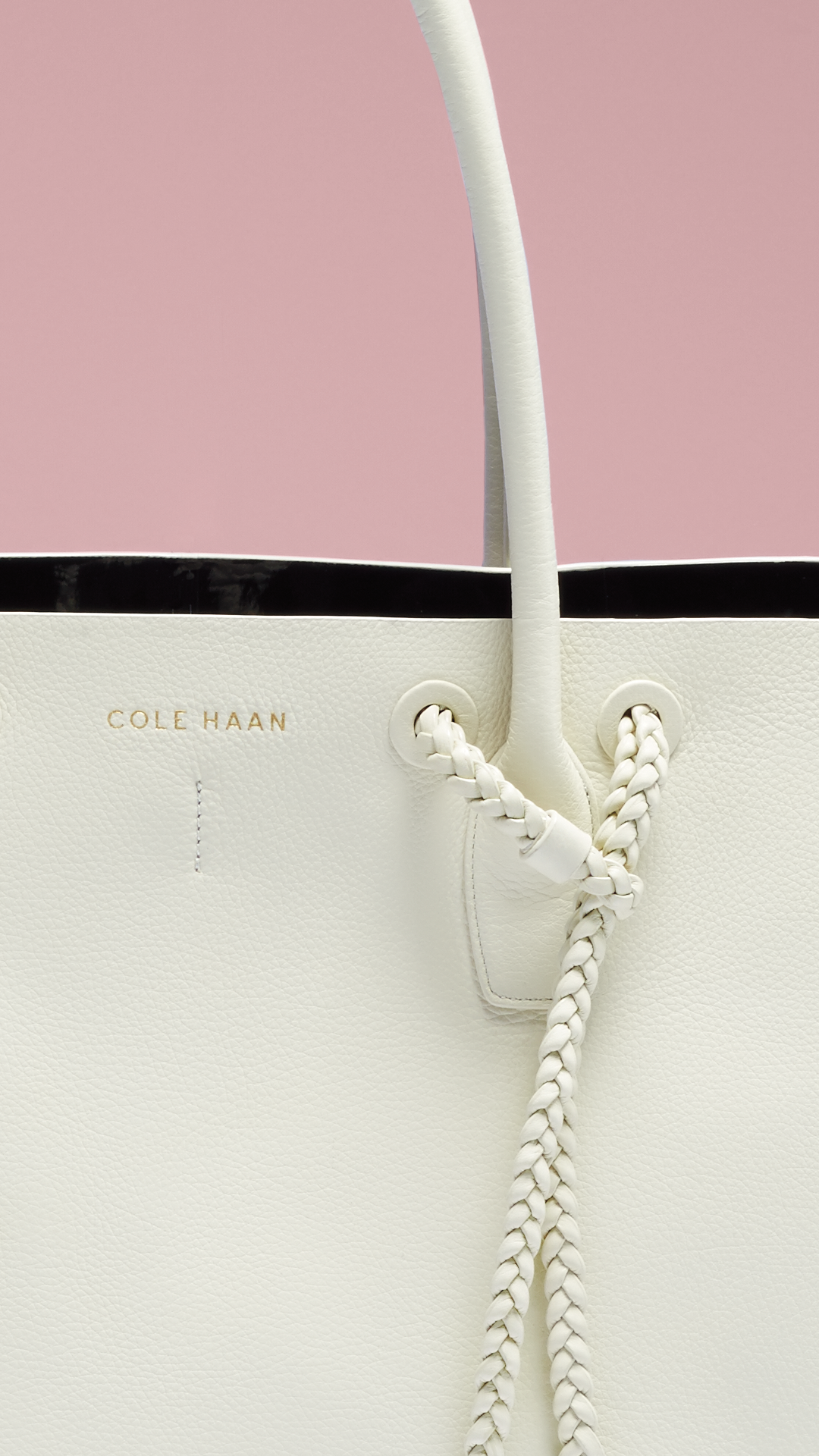
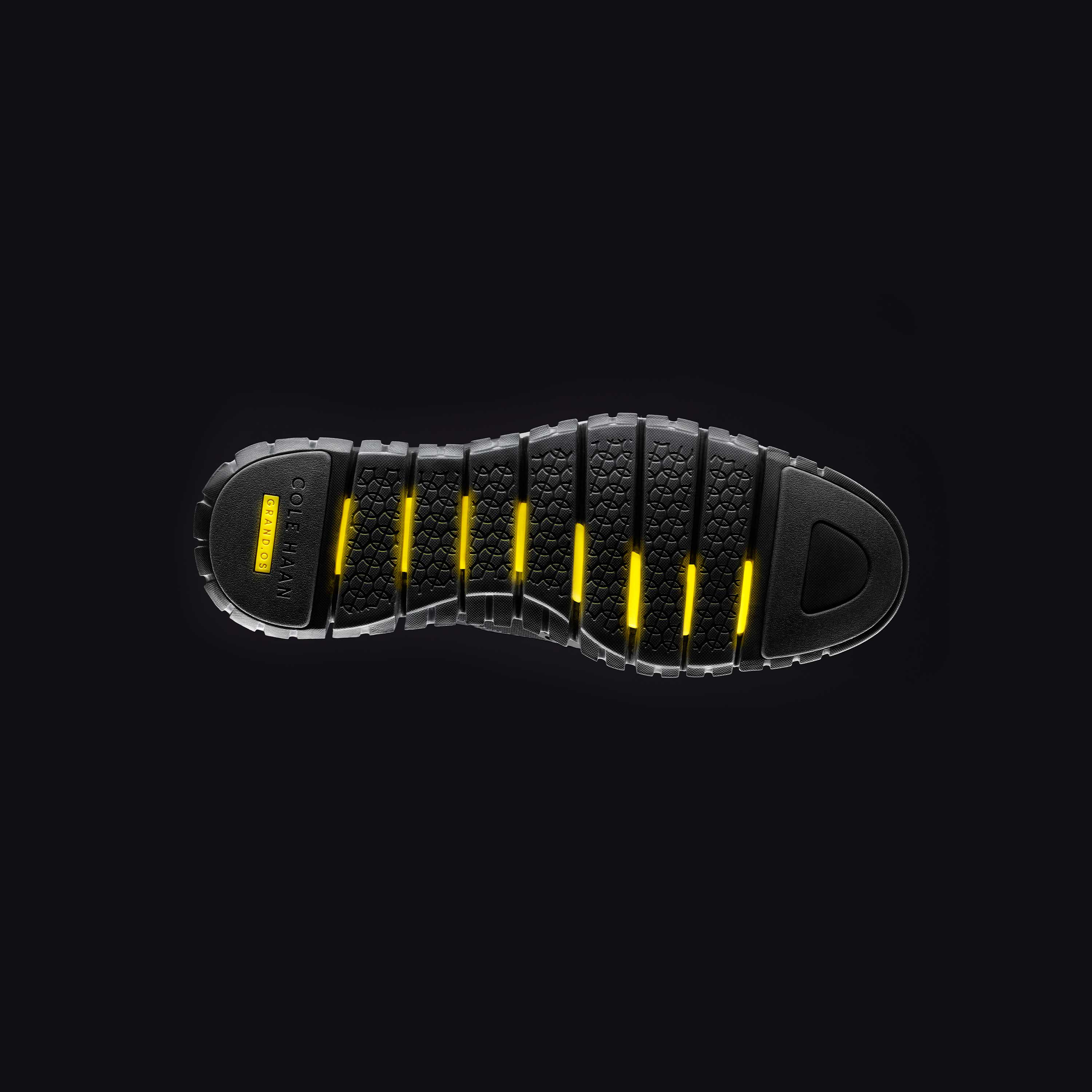
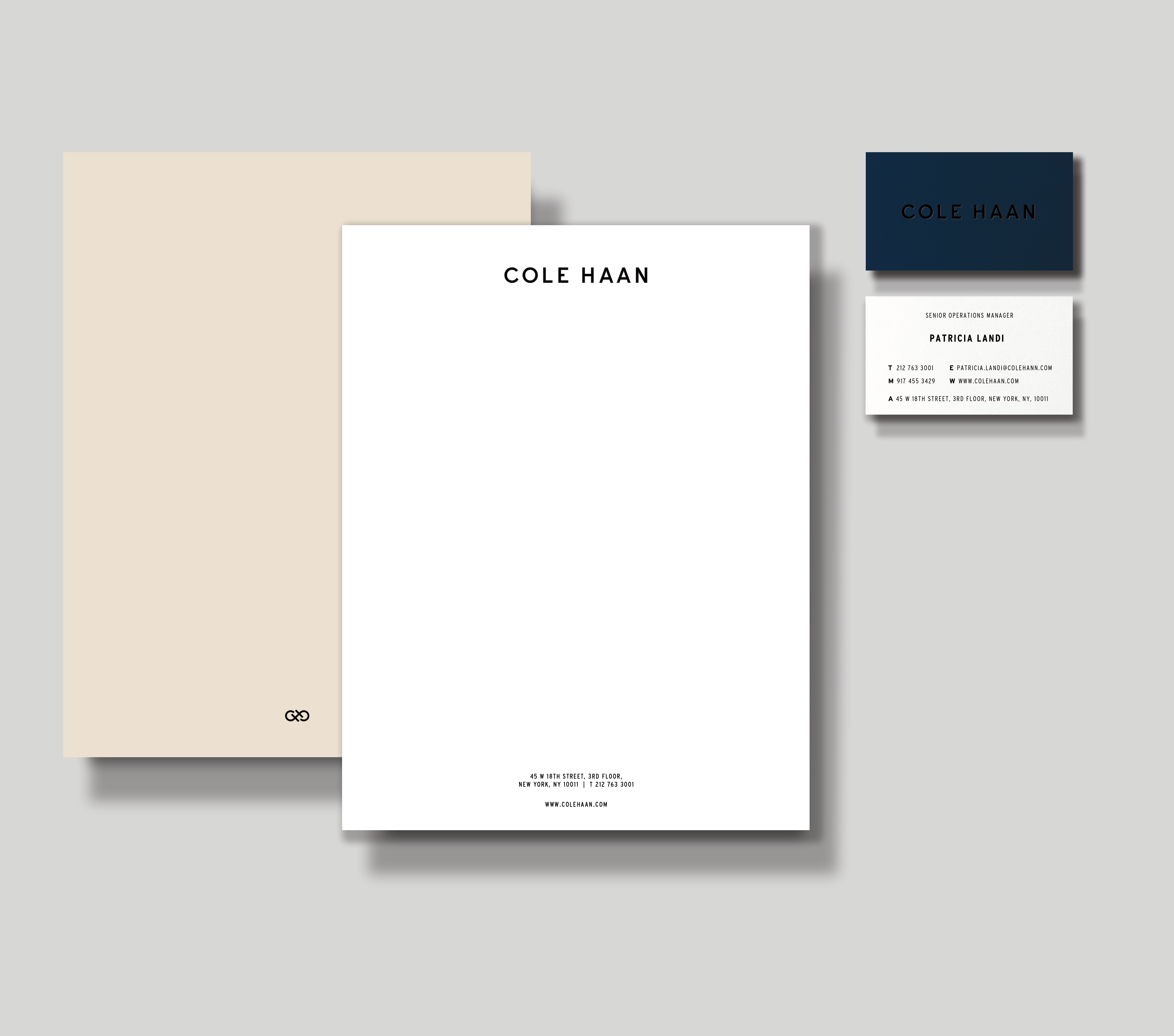
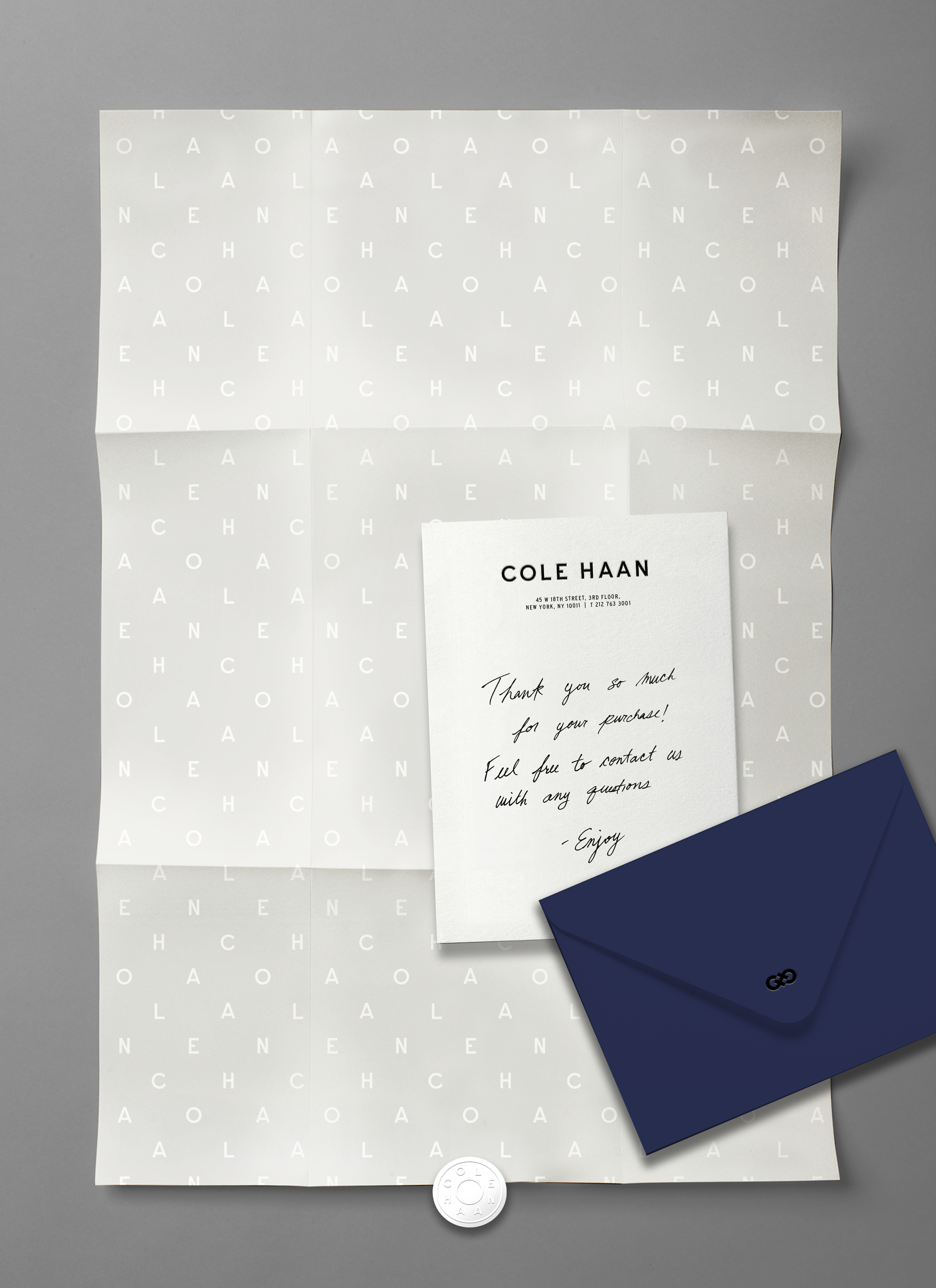
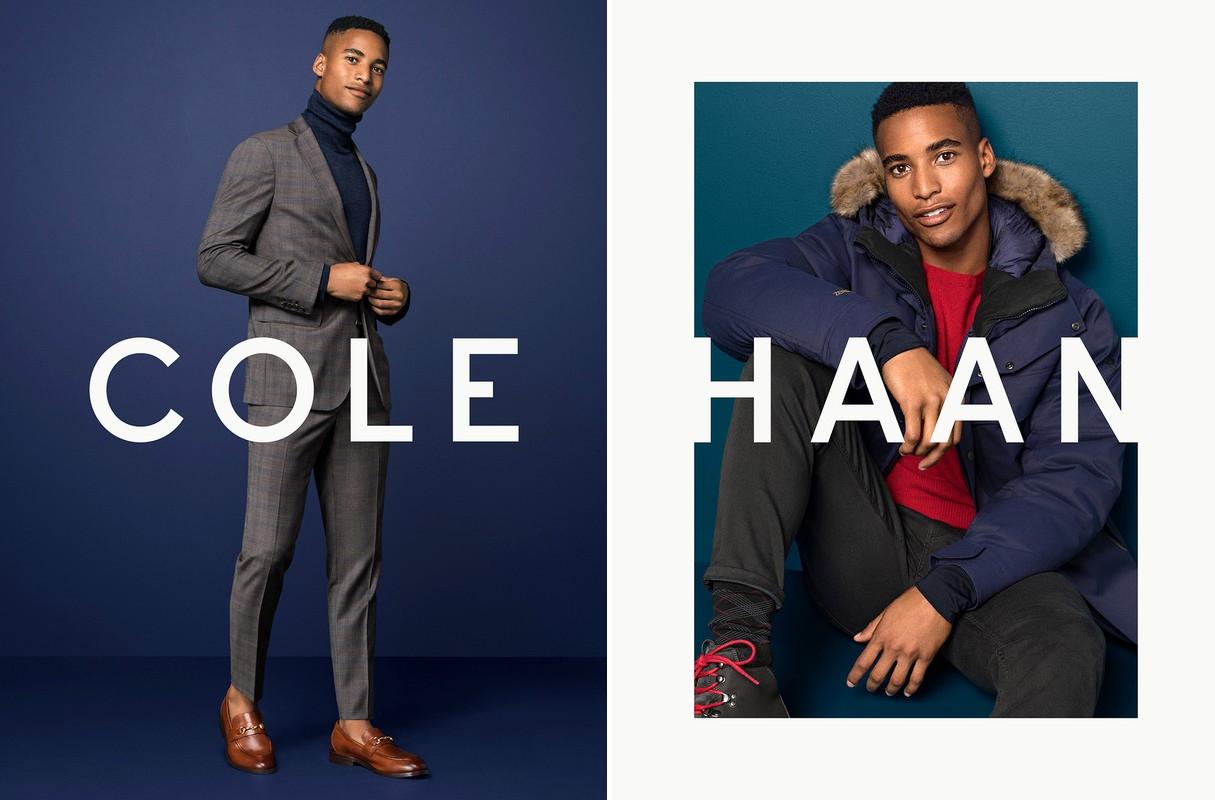
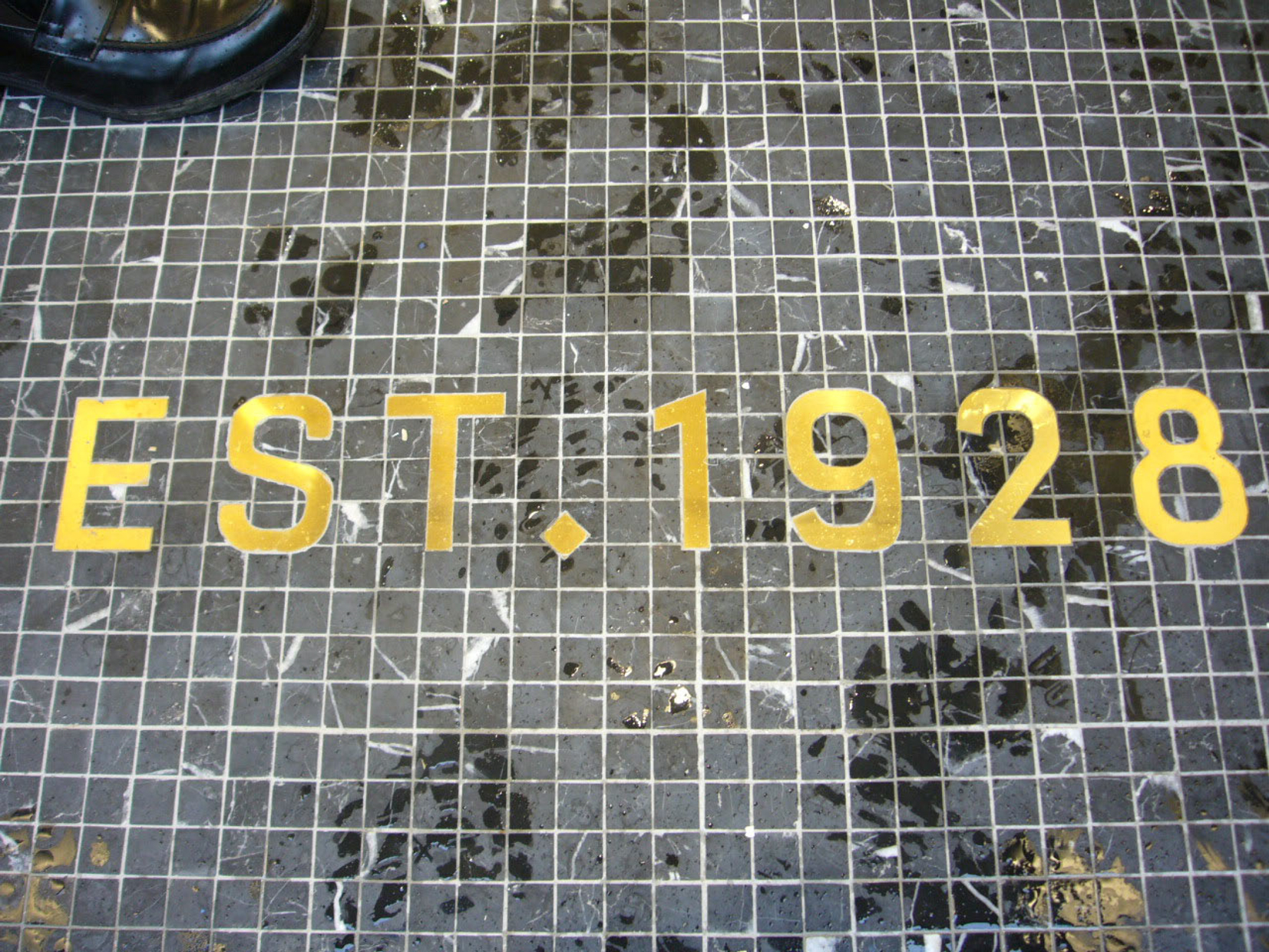
The output: three distinct identities under one house — the core Cole Haan brand, a diffusion line (Cole Haan Monogram), and a premium line (Cole Haan 1928) — plus a standalone identity for Zerøgrand, built around the product’s own technology. All of it backed by a full brand book and guidelines (manifesto, logotype, symbol, color, image style, typography, crest, patterns) and a complete packaging system spanning shopping bags, hangtags, woven labels, belt tags, clothing packs, stickers, metal hardware, and heat transfers.